

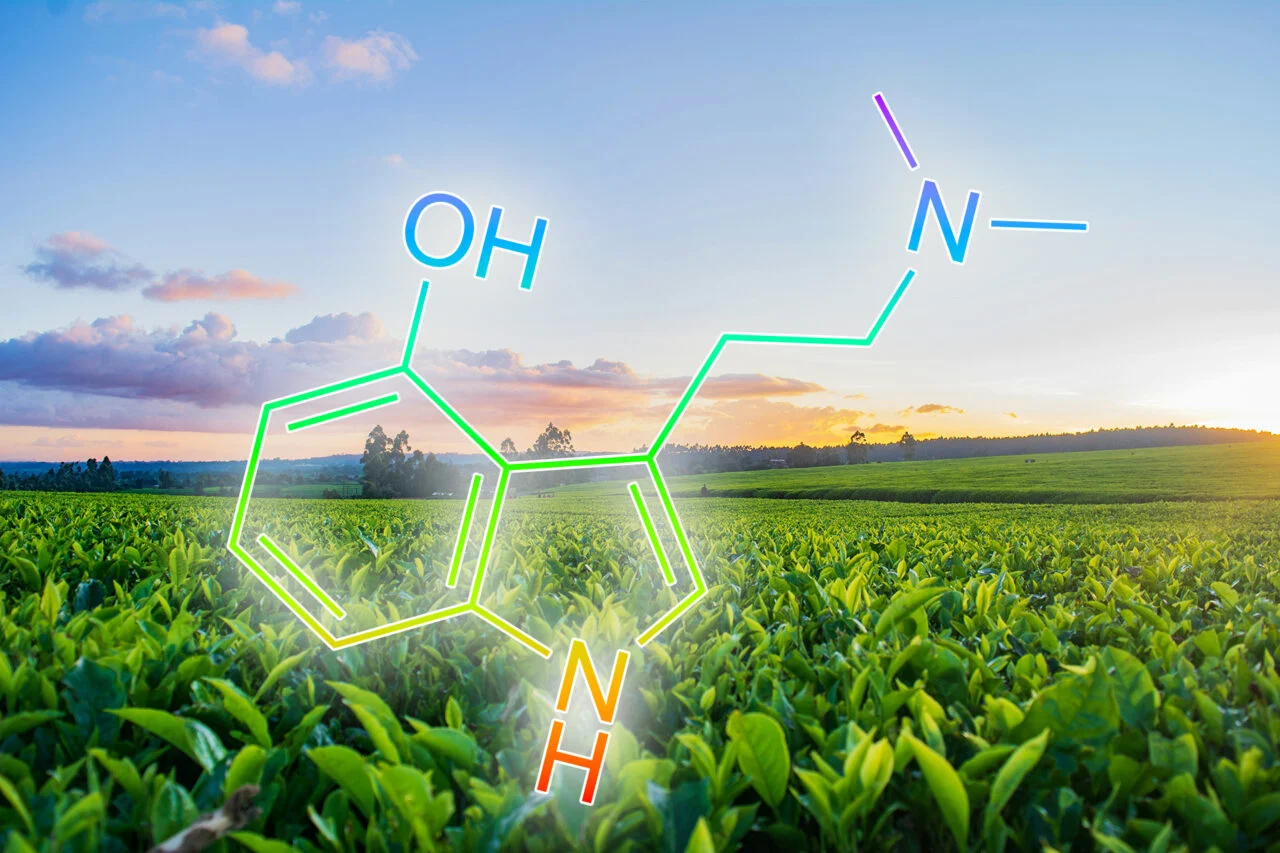
Se non avevi “tabacco psichedelico” sulla tua cartella del bingo di “potenziali buone notizie” per questa settimana, beh, nemmeno io. Ma secondo a carta pubblicato questa settimana in Progressi della scienzai ricercatori del Weizmann Institute of Science in Israele sono riusciti a modificare geneticamente le piante di tabacco per produrre un’intera busta con chiusura lampo con una faccina sorridente contenente sostanze psichedeliche strettamente correlate: “Psilocina e psilocibina trovate nei funghi, DMT dalle piante e bufotenina E 5-metossi-DMT secreto dal rospo del deserto di Sonora.
Questa è chiaramente una buona notizia per l’umile rospo del deserto di Sonora, che un giorno potrebbe essere in grado di svolgere i propri affari senza il rischio che qualche entusiasta con gli occhi sbarrati cerchi di prenderlo e dargli una leccata. Ma è anche una buona notizia per il resto di noi, e non perché potresti essere in grado di decollare nello spazio interiore con l’ulteriore vantaggio di avere un cancro ai polmoni.
Come osserva l’articolo, la ricerca su queste e altre sostanze psichedeliche ha suggerito che possono “promuovere la neuroplasticità e modulare i circuiti serotoninergici… [demonstrating therapeutic potential for depression, anxiety, posttraumatic stress disorder, and addiction.” Being able to produce them via biosynthesis in a fairly common plant would be a more straightforward and cost-effective method than retrieving them from their natural sources.
As if just discussing both the benefits and production of psychedelics in a refreshingly matter-of-fact manner wasn’t enough, the paper also includes a throwback to the good old days of several years ago, when the primary use of AI software was for researching protein folding. The team describes using an AI-powered software package to figure out why a certain enzyme used in the production of 5-methoxy-DMT was performing poorly: “After the team fixed the problem with a targeted mutation, the amount of 5-methoxy-DMT in the tobacco plants increased 40-fold.” Now that’s a use for AI that we can get behind!
As well as using tobacco plants to replicate naturally occurring psychedelic molecules, the paper also discusses the production of halogenated analogs of these molecules. Basically, these are altered versions of the molecules where one or more of the hydrogen atoms that hang off the molecule’s carbon chain are replaced by halogen atoms, i.e. fluorine, chlorine, or—less commonly—bromine or iodine. Carbon-halogen bonds are generally stronger than carbon-hydrogen bonds, and while the intricacies of drug design are well beyond the remit of this article, the tl;dr is that the addition of halogens to drugs can make them more stable, more potent, and/or more selective in their activity. (If you’re interested in reading more, this paper on halogen-containing drugs is a good place to start.)
This is notable in the case of psychedelics because, as the paper points out, “several halogenated … derivatives [of these drugs] hanno dimostrato un potenziale terapeutico per i disturbi mentali”. Questa rimane un’space di ricerca attiva e la capacità di produrre tali molecole in quello che sembra essere un modo ragionevolmente semplice promette di aiutare in story ricerca. L’intero articolo è una lettura affascinante e, fortunatamente, lo è disponibile nella sua interezza gratuitamente.